
The Changing Cost of the Daily Commute: Practical Ways to Manage Travel Expenses
Daily commuting can become a significant household expense. Explore practical ways to manage travel costs while balancing convenience, time
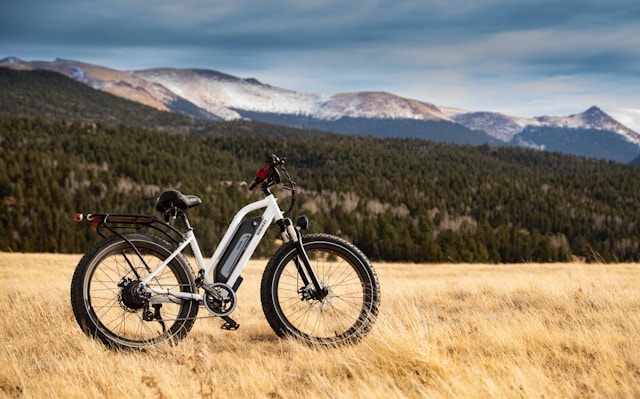
For many people, the appeal of an electric bike has little to do with going fast. It is about making an ordinary journey easier.
A commute that involves a few miles of traffic, hills or a poorly connected public transport route can become much more manageable with some electric assistance. The same bike might also handle the trip to the shops, a journey to meet friends or a weekend ride without requiring a second form of transport.
That makes choosing an e-bike slightly different from choosing a bike purely for recreation. An everyday bike needs to fit into a routine. Range matters, but so do comfort, charging, storage, weight, weather and the type of roads you use.
Start With the Journey You Actually Make
It is easy to get distracted by specifications when looking at electric bikes. Motor output, battery capacity and claimed range can all look impressive on a product page, but the most useful starting point is your normal journey.
How far is the commute each way? Are there hills? Will you ride mostly on smooth roads, cycle paths or rougher surfaces? Do you need to carry a laptop, work clothes or groceries?
A short urban commute has different requirements from a 15-mile trip across several towns.
For riders considering electric bikes for commuting, the key is to match the bike to the journey rather than choosing the most powerful specification available. A lighter, comfortable bike can be easier to live with every day if the route is relatively flat and straightforward.
Range Should Be Based on Your Routine
Battery range is one of the first specifications most people look at, but the headline figure is only part of the story.
Real-world range can be affected by rider weight, hills, wind, temperature, tyre pressure, riding speed and the amount of motor assistance being used. A rider who uses high assistance throughout a hilly commute can consume considerably more battery than someone riding gently on flat roads.
This is why it makes sense to calculate your normal weekly mileage before deciding how much battery capacity you need.
Suppose your commute is six miles each way. A battery that comfortably covers the round trip may be enough for your routine, particularly if you can recharge at home or work. If you regularly add errands after work, however, some additional capacity gives you more flexibility.
A useful rule is to leave some reserve rather than planning every journey around the maximum claimed range.
Charging Should Fit Into Your Day
An e-bike can become inconvenient if charging it is a chore.
Before choosing a model, think about where the bike will live overnight and whether the battery can be charged conveniently. A removable battery can be particularly useful for commuters who store their bike in a garage, shared building or outdoor area but have access to a normal indoor socket.
Charging habits also matter. Someone who rides a short distance every day may only need to charge periodically, while a longer-distance commuter may need a more regular routine.
It is worth considering the battery as part of the bike's everyday usability rather than treating it as a separate technical specification.
Comfort Matters on Repeated Journeys
A bike can feel perfectly comfortable during a ten-minute test ride and become much less pleasant after several weeks of commuting.
Saddle position, riding posture, handlebar height and frame design all affect comfort. Tyres also make a noticeable difference. Narrower tyres can feel efficient on smooth roads, while wider tyres may provide a more forgiving ride over potholes, uneven surfaces and rough cycle paths.
Your route should influence the choice.
If the journey includes broken pavement or poorly maintained paths, some additional cushioning can make the daily ride considerably easier. If most of the route is smooth tarmac, a more road-oriented setup may make sense.
The best commuter bike is one you are happy to ride repeatedly. Small comfort issues become much more significant when they appear five days a week.
Weight Becomes Important Off the Bike
Motor assistance makes an e-bike easier to ride, but it does not make it weightless.
Think about what happens before and after the journey. Will you need to push the bike through a narrow hallway? Carry it up steps? Move it around a garage? Put it onto a bike rack?
These details are easy to overlook when comparing specifications online.
A heavier model may be perfectly manageable once you are moving, yet awkward in storage. For people living in flats or homes with limited space, the practical weight of the bike can influence whether it gets used regularly.
Storage also deserves some planning. A secure, dry location protects the bike and makes it easier to keep it ready for the next morning.
The Right Motor Depends on Your Route
Motor characteristics matter most when the terrain becomes demanding.
A commuter riding mostly flat streets may have little need for the same level of assistance as someone climbing steep roads every morning. Hills, frequent stops and a heavier load can all increase the amount of assistance required.
It is also worth thinking about how the motor feels rather than looking only at its headline power figure. Smooth assistance can make starting from traffic lights and climbing inclines feel more natural.
The goal is to have enough assistance for the route without turning the bike into something unnecessarily heavy or complicated.
Brakes and Tyres Deserve Attention
Everyday riding means dealing with changing road conditions. Wet surfaces, leaves, potholes and sudden stops are all part of commuting.
Good braking performance is therefore particularly important on an e-bike. The additional weight of the motor and battery means the braking system has more work to do than on a lightweight conventional bicycle.
Tyres deserve similar attention. A tyre designed for smooth roads may feel quick and responsive, while a wider tread can provide greater confidence when the route includes rough surfaces or mixed conditions.
These components may not be as exciting as a large battery or powerful motor, but they directly affect how the bike feels during a normal journey.
Think About What You Carry
Commuters rarely travel empty-handed.
A laptop, charger, lunch, spare clothing, shopping or rain jacket can quickly turn a light journey into a loaded one. Carrying everything in a backpack can also become uncomfortable over time.
Before choosing an e-bike, consider whether you need a rear rack, panniers, a basket or another practical carrying solution.
This is another reason to think about your routine rather than the bike in isolation. A model that feels ideal on a short test ride may be less suitable once it has to carry everything you normally take to work.
Weather Is Part of the Commuting Equation
The UK weather can change quickly, and commuting by e-bike means accepting that some journeys will happen in less-than-perfect conditions.
Rain does not necessarily make cycling impractical, but it does make preparation more important. Waterproof clothing, suitable lights and sensible route planning can make wet-weather journeys much easier.
The bike itself also needs appropriate care. Keeping it clean, checking the tyres and brakes, and following the manufacturer's battery and charging guidance can help maintain reliable performance.
For an everyday commuter, basic maintenance is less about becoming a cycling enthusiast and more about avoiding a problem on a Monday morning.
Make the Test Ride Count
If possible, test an e-bike before committing to it.
Do not simply ride around a car park for five minutes. Try different assistance levels. Check how easily you can start and stop. Pay attention to your riding position and whether the controls are easy to use.
If you can, ride over the kind of surface you normally encounter. A bike that feels excellent on smooth pavement may feel very different over rough roads.
Think about practical questions too. Can you comfortably reach the controls? Can you manoeuvre the bike where you need to store it? Does the frame feel easy to handle when you are walking alongside it?
Those answers can be more useful than another page of specifications.
Build the Bike Around Your Routine
Choosing an e-bike for commuting is ultimately an exercise in matching technology with everyday habits.
The right model should have enough range for your regular journeys, enough assistance for your terrain and enough comfort to make repeated rides enjoyable. It should also fit your storage arrangements and the amount of equipment you normally carry.
Once those practical details are clear, comparing individual models becomes much easier.
An e-bike does not need to be the most powerful or longest-range machine available to become a useful part of everyday transport. It simply needs to make your normal journeys convenient enough that reaching for the bike starts to feel like the obvious choice.
Author Bio
Elliot Harper is a UK-based technology and mobility writer who enjoys exploring how everyday transport is changing alongside connected and electric technology. His writing focuses on practical innovations that can make ordinary routines simpler, more flexible and easier to navigate.
Next »
« Prev
Latest News



Poll


