
Why Do Pipes Suddenly Burst?
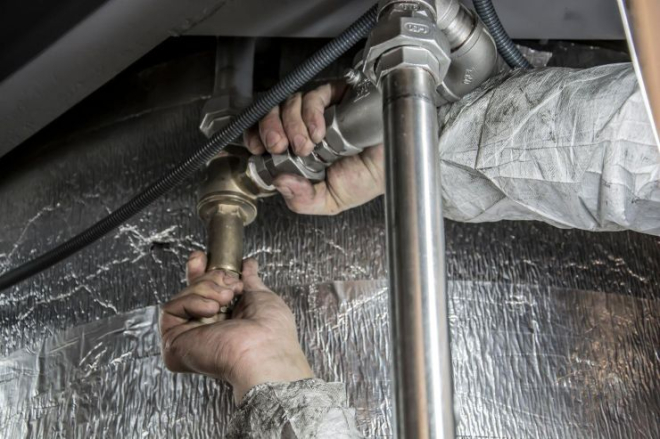
A pipe bursts when it becomes too weak to contain the water flowing through it. It can fail when unusual pressure places excessive strain on the pipe
13:23 02 October 2026
A burst pipe can seem to happen without warning.
But pipes rarely fail without an underlying cause.
Freezing temperatures, corrosion, water pressure and ageing components can weaken your plumbing over time. Eventually, a pipe, joint or fitting reaches the point where it fails.
What Causes a Pipe to Burst?
A pipe bursts when it becomes too weak to contain the water flowing through it. It can fail when unusual pressure places excessive strain on the pipe or its connections. It can also fail when a joint is not installed properly.
Common causes include:
- freezing temperature
- corrosion
- excessive water pressure
- ageing or deteriorating pipework
- damaged joints and fitting
- physical damage to a pipe
The exact cause is not always obvious.
Can Frozen Pipes Burst?
When water freezes within your plumbing, ice can restrict the pipe and cause pressure to build between the blockage and a closed outlet. This increased pressure can eventually cause a weak section of pipe or a fitting to fail.
The resulting leak may not become apparent immediately. Ice inside the pipe can temporarily cover up a problem. Once temperatures rise and the ice thaws, water escapes through the damaged section.
Pipes in lofts, garages, outbuildings and other poorly heated areas can be particularly vulnerable. Suitable pipe insulation can help protect exposed plumbing during colder weather.
Can High Water Pressure Cause a Pipe to Burst?
Your plumbing system is designed to operate within a suitable pressure range. If the pressure is consistently too high, pipes, valves, joints and appliances can experience additional strain.
This does not necessarily mean a pipe will suddenly burst. However, excessive pressure can contribute to wear and expose existing weaknesses.
Signs of possible pressure problems can include banging pipes, unusually powerful water flow and recurring problems with plumbing fixtures.
If you suspect a pressure problem, have it investigated rather than simply waiting for something to fail.
How Does Corrosion Cause Burst Pipes?
Metal pipework can corrode over time. As the material deteriorates, sections of the pipe may become thinner and weaker.
Eventually, a weakened area can develop a small leak or fail more significantly.
Visible corrosion, discoloured water and recurring leaks can indicate that older pipework needs attention. However, not all corrosion is visible because affected sections may be beneath floors or behind walls.
Repairing one leaking section may solve the immediate problem. But if corrosion is widespread, other sections of the plumbing may also need to be assessed.
Do Older Pipes Burst More Easily?
Age does not automatically mean a pipe is about to burst. Plenty of older plumbing continues to operate without problems.
However, everything has a shelf life. Pipework can experience decades of use, repairs, corrosion and movement. Joints and fittings can also deteriorate over time.
The condition of the plumbing is therefore more important than its age alone.
If an older property develops repeated leaks, it may be worth having more of the system inspected rather than treating each leak as an isolated problem.
Can Joints and Fittings Suddenly Fail?
The pipe itself is not always responsible for a major leak.
Connections, valves and fittings can fail because of deterioration, damage or problems with installation. Movement within the pipework can also place additional stress on connections.
Sometimes, what appears to be a burst pipe is actually a failed joint allowing a large amount of water to escape.
Either way, the immediate priority remains the same: stop the water and identify where the system has failed.
Are There Warning Signs Before a Pipe Bursts?
Some pipes fail with little obvious warning. However, plumbing problems can sometimes provide clues before a more serious leak develops.
Look out for unexplained damp patches, recurring small leaks, corrosion and changes in water pressure. Banging or unusual noises from pipework can also warrant investigation.
An unexplained increase in water consumption may indicate a hidden leak somewhere within the property.
What Should You Do If a Pipe Bursts?
If a pipe bursts, turn off the water supply at the internal stop tap where it is safe to do so. Opening cold taps can then help drain water remaining within the system.
Keep away from electrical equipment if water has reached sockets, appliances or wiring. Do not enter standing water where there may be an electrical risk.
You should then arrange emergency plumbing assistance to locate the failure and repair the damaged pipework.
Once the leak has been stopped, check the surrounding area for water damage. Water can travel through floors, walls and ceilings, so damage may extend beyond the immediate location of the burst.
Can You Prevent Pipes From Bursting?
Not every pipe failure can be prevented. However, maintaining your plumbing can reduce some common risks.
Insulate vulnerable pipework before cold weather and deal with small leaks when you find them. Unusual pressure changes, corrosion and repeated plumbing problems should also be investigated.
Knowing where your stop tap is located is equally important. If a pipe does burst, being able to shut off the water quickly can significantly reduce the amount of water escaping into your property.


