
How Food and Beverage Exhibitions Help Businesses Expand into Global Markets
Sustainability, food safety, convenience, and product innovation are also expected to remain important considerations for businesses serving changing
13:28 19 October 2026
The global food and beverage industry continues to evolve as consumer preferences change, international trade expands, and businesses search for new opportunities. From packaged foods and organic products to innovative beverages and premium ingredients, companies are constantly looking for ways to introduce their products to new markets. One of the most effective ways to achieve this is by participating in an international food exhibition.
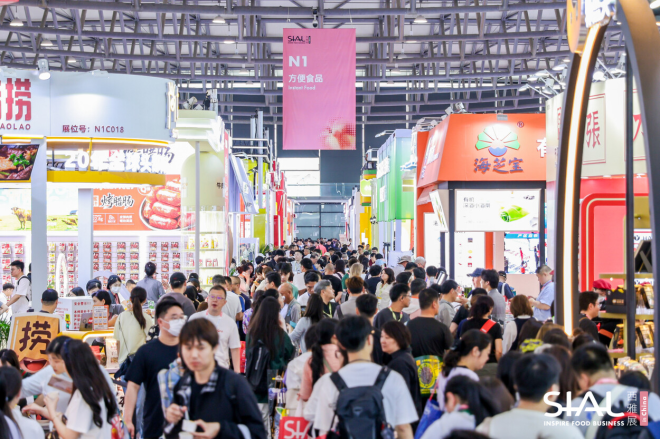
A professional food exhibition brings manufacturers, suppliers, distributors, importers, retailers, and industry experts together under one roof. These events provide valuable opportunities to explore emerging trends, discover new products, and establish business relationships that can support long-term growth. Companies interested in international sourcing and market expansion can explore the official food and beverage exhibition in Shanghai to learn about the event, its product sectors, and opportunities for industry professionals.
Why Food and Beverage Exhibitions Matter
Food and beverage exhibitions play an important role in connecting businesses with potential customers and partners. Instead of relying entirely on online communication, companies can meet buyers face-to-face, present their products, and discuss business requirements directly.
For food manufacturers, these exhibitions offer an opportunity to introduce new product lines and demonstrate their quality. Importers and distributors can compare suppliers, explore pricing options, and identify products that match their target markets.
Exhibitions also help businesses understand changing consumer demands. Growing interest in healthier food options, convenient packaging, sustainable production, and innovative flavors has encouraged companies to develop products that meet modern expectations.
By attending industry events, businesses can learn about these developments and adjust their strategies accordingly.
Discovering New Products and Industry Trends
One of the biggest advantages of attending a food exhibition is the opportunity to explore a wide variety of products in one location. Visitors can discover international snacks, dairy products, frozen foods, seafood, confectionery, grains, sauces, non-alcoholic beverages, and other food categories.
This variety makes exhibitions particularly useful for retailers, restaurant operators, wholesalers, and food service companies looking to expand their product selections.
Industry events also provide insights into emerging technologies and changing production methods. Businesses can learn about improved food preservation, innovative packaging, supply chain management, and new approaches to product development.
Understanding these trends can help companies identify market gaps and develop products that appeal to consumers.
Building International Business Connections
Strong business relationships are essential for sustainable growth in the food industry. International exhibitions create opportunities for companies to connect with buyers and suppliers from different countries and regions.
Manufacturers can meet potential distributors, while importers can evaluate new suppliers and discuss product specifications, delivery schedules, and commercial terms. These direct conversations often make it easier to understand expectations and identify suitable business partners.
Networking can also lead to collaborations involving private-label products, joint product development, and international distribution agreements.
However, successful networking requires preparation. Businesses should identify their target markets, prepare product information, and establish clear objectives before attending an exhibition.
SIAL Shanghai: A Platform for Food Industry Professionals
Among the international events serving the food and beverage sector, SIAL Shanghai provides a platform for companies interested in discovering products, connecting with industry professionals, and exploring opportunities in Asian markets.
Since entering the Chinese market in 2000, SIAL Shanghai has developed into an established trade event for the global food and beverage industry. The exhibition brings together businesses across multiple product categories and offers opportunities for sourcing, networking, and learning about industry developments.
The exhibition covers categories such as meat, seafood, dairy products, organic foods, grains, and beverages. This diversity makes it relevant to different types of businesses, including food manufacturers, distributors, retailers, and hospitality operators.
For companies planning to enter new markets, participating in an established trade event can provide valuable exposure to potential buyers and help them better understand regional business requirements.
Supporting Business Growth Through Product Innovation
Innovation is another important aspect of the modern food and beverage industry. Businesses must continually evaluate their products to remain competitive and respond to consumer expectations.
Food exhibitions provide a useful environment for observing how other companies approach product development. Visitors can explore new flavors, packaging designs, ingredients, and product formats while learning how brands differentiate themselves in crowded markets.
For example, a beverage manufacturer might discover demand for convenient packaging or reduced-sugar formulations. A food distributor might identify opportunities to introduce international specialty products to local retailers.
These observations can help businesses make more informed decisions about future investments and product launches.
Industry events may also feature presentations, competitions, and professional discussions that highlight new technologies and market developments.
How to Prepare for a Successful Exhibition
Attending an exhibition without a clear plan can make it difficult to achieve meaningful results. Businesses should prepare in advance to make the most of their time and resources.
1. Define your objectives. Decide whether you want to find suppliers, attract distributors, launch a product, or research competitors.
2. Research participating companies. Review available exhibitor information and identify businesses that match your sourcing or partnership requirements.
3. Prepare product materials. Bring professional brochures, product specifications, company information, and contact details. Where relevant, prepare information about certifications, ingredients, packaging, and export capabilities.
4. Schedule meetings. Contact potential partners before the event and arrange meetings whenever possible. A planned schedule can help you connect with the most relevant companies.
5. Follow up after the event. Organize collected contacts, send follow-up messages, and discuss next steps with promising partners. Consistent communication is essential for turning introductions into commercial relationships.
Businesses should also confirm event dates, registration requirements, travel arrangements, and exhibitor information through official sources before making plans.
Choosing the Right Food Exhibition
Not every exhibition is suitable for every business. The best event depends on the company's objectives, target audience, product category, and budget.
A manufacturer seeking international distributors may benefit from a large trade fair with an international buyer network. A specialty food producer may prefer an event focused on organic products, confectionery, or premium ingredients.
Before selecting an event, companies should evaluate its industry reputation, participating businesses, visitor profile, product categories, and networking opportunities.
Exploring the officialSIAL China website is a useful starting point for businesses researching food industry events and international trade opportunities.
It is also important to calculate the expected return on investment. Exhibition expenses may include registration, booth rental, travel, accommodation, product samples, and promotional materials. Setting realistic targets helps businesses assess whether participation supports their broader commercial strategy.
The Future of International Food Exhibitions
As international food trade continues to develop, exhibitions are likely to remain valuable meeting points for businesses across the supply chain. Digital tools can support event planning, exhibitor discovery, and business matchmaking, while in-person meetings allow companies to evaluate products and build stronger professional relationships.
Sustainability, food safety, convenience, and product innovation are also expected to remain important considerations for businesses serving changing consumer markets.
Companies that combine careful preparation with effective networking can use exhibitions to identify new opportunities, strengthen supplier relationships, and improve their understanding of international markets.
Ultimately, a food and beverage exhibition is more than a place to display products. It is an opportunity to exchange knowledge, discover ideas, and develop business connections that may support future growth.
Frequently Asked Questions (FAQs)
1. What is a food and beverage exhibition?
A food and beverage exhibition is a professional trade event where manufacturers, suppliers, distributors, retailers, and other industry professionals showcase products, discover market trends, and establish business relationships.
2. Who should attend an international food exhibition?
Food manufacturers, importers, exporters, wholesalers, distributors, retailers, restaurant operators, hospitality professionals, and food service businesses may benefit from attending relevant trade exhibitions.
3. What are the benefits of attending a food exhibition?
Key benefits include discovering new products, meeting potential suppliers and buyers, researching competitors, learning about industry trends, and exploring opportunities for international expansion.
4. Why is SIAL Shanghai important for food businesses?
SIAL Shanghai provides a professional platform for food and beverage companies to showcase products, explore sourcing opportunities, and connect with industry professionals interested in the Chinese and wider Asian markets.
5. How can businesses prepare for a food exhibition?
Businesses should establish clear objectives, research exhibitors, prepare product information, arrange meetings where possible, and develop a follow-up plan for contacts made during the event.
6. How do I choose the right food exhibition?
Consider the exhibition's reputation, target audience, product categories, participating companies, location, and overall cost. Choose an event that aligns with your business goals and target markets.


