
Is Lock Replacement Really Necessary After Losing Your Keys?
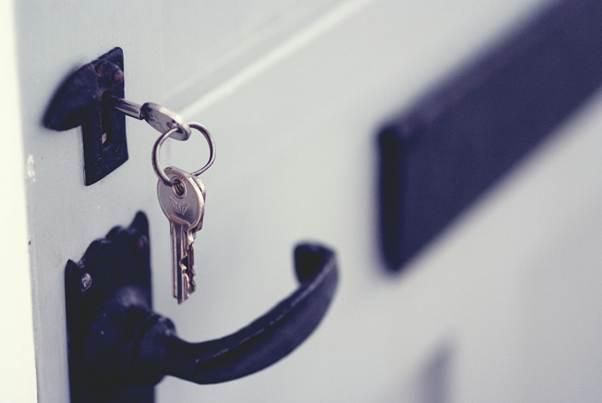
Police security guidance recommends changing locks when you cannot account for who may have copies of your keys.
13:44 02 October 2026
Losing your keys does not always mean you need to replace your locks.
The important question is not simply whether your keys are missing. You need to consider where they were lost and whether somebody could connect them with your property.
If there is a realistic possibility that another person could use the keys to enter your home, replacing the affected locks removes that risk.
Police security guidance recommends changing locks when you cannot account for who may have copies of your keys.
When Should You Replace a Lock After Losing Your Keys?
If you dropped a single unmarked key somewhere far from home, the security risk is probably low. The situation changes if your keys were lost along with information that could identify your address.
That means consider lock replacement when:
· Your keys were stolen rather than simply misplaced.
· Your keys were lost close to your home.
· Your address was attached to the keys.
· A bag containing your keys and identification was stolen.
· House and car keys were taken together.
· You do not know where the keys were lost.
· You are unsure who else has copies.
In these circumstances, changing the lock means the missing key won’t be an issue.
What If Your Lost Keys Have No Address on Them?
A set of unmarked keys found several miles from your home is unlikely to tell someone which property they unlock.
But losing keys outside your front door presents a very different risk from losing them while travelling.
What If Your Keys Were Stolen?
Stolen keys should be treated more seriously.
If somebody deliberately takes a bag, coat or other possession containing your house keys, you cannot know what will happen to them afterwards. The risk becomes greater when other stolen items contain your name or address. The theft might be opportunistic, but there is a risk a person may have targeted you because they know where you live or can easily find your home.
Replacing the relevant locks prevents the old keys from working. And if several external doors use the same key, each affected lock should be considered.
Do You Need to Replace the Entire Lock?
With some locking systems, the part operated by the key can be replaced without changing the entire mechanism.
A common example is a euro cylinder lock. The cylinder can often be replaced while the existing multipoint mechanism remains in place.
For other doors, replacing the complete lock may be necessary or more appropriate.
A professional locksmith can identify the type of existing lock. This avoids replacing components that remain perfectly serviceable.
Which Locks Should You Check?
When keys go missing, think about everything on that keyring.
This could include keys for:
· Front and back doors
· Side entrances
· Garages
· Sheds and outbuildings
· Patio or French doors
· Communal entrances
· Gates
Flats can require particular attention because there may be separate keys or fobs for your flat and communal entrances. Police guidance recommends having lost communal security fobs replaced and the system reprogrammed.
You Can Upgrade Your Security at the Same Time
If a lock needs replacing anyway, it can be a useful opportunity to check whether your existing security is still suitable.
For example, older uPVC and composite doors may have euro cylinders that do not provide the protection available from newer designs.
Current police advice recommends choosing a 3-star euro cylinder meeting TS007 when changing a suitable cylinder. These locks provide protection against common attack methods, including snapping, drilling and bumping.
For other doors, the appropriate security standard will depend on the door and lock type. A locksmith can also inspect the frame, hinges and surrounding hardware rather than considering the lock in isolation.
What About Lost Keys for a Commercial Property?
Missing keys can create a bigger problem for businesses because several people may require access to the same premises.
A single key could provide access to an office, shop, warehouse, stockroom or another restricted area. And it may be difficult to determine who eventually finds it.
In this case, establish exactly what the missing key can open.
If the security of the premises is compromised, lock replacement may be the easiest way to prevent unauthorised access.
The incident can also highlight wider key-management issues.
Does Home Insurance Cover Lost Keys?
Some home insurance policies provide cover for lost or stolen keys, while others offer it as part of additional home emergency cover.
The terms vary between insurers, so check your policy before arranging non-emergency work where possible. Some policies may specify particular procedures or limits for replacement locks.
Insurance requirements are also worth considering when choosing a new lock. The Master Locksmiths Association recommends checking that replacement locks meet any requirements set by your insurer.
Should You Wait to See If Your Keys Turn Up?
If the keys are probably somewhere inside your home, there may be little reason to replace the lock immediately.
If they were stolen or lost in public and could potentially be traced back to your property, waiting leaves an unnecessary uncertainty.
When Is Lock Replacement the Right Choice?
Losing your keys is inconvenient, but it does not always require new locks. The level of risk depends on how the keys disappeared and whether they can be connected with your property.
When keys have been stolen, lost with identifying information or cannot be accounted for, lock replacement provides a straightforward solution. Here, the missing keys become irrelevant.


