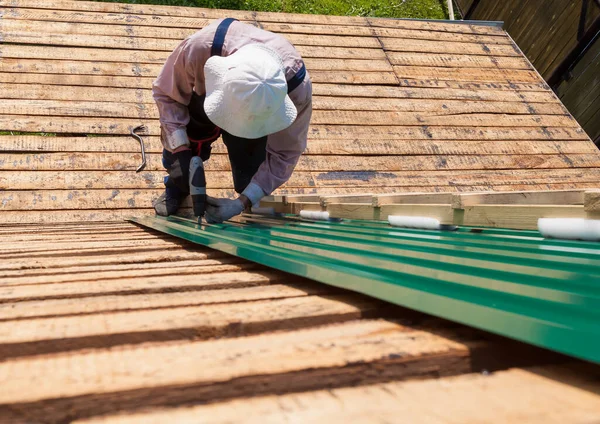
Banner Printing San Francisco: Prop 65 & Sign Permit Rules Explained
Planning banner printing in San Francisco? Here's what Prop 65 and the city's sign permit rules mean for your business before you order.
Banner Printing San Francisco: What Prop 65 and Local Sign Permit Rules Actually Mean for Your Business
If you've searched for banner printing in San Francisco because you need a banner up fast for an opening, a sale, or an event, there's a good chance permits and compliance are the last thing on your mind. Most business owners find out about San Francisco's sign rules the hard way, after a banner gets flagged, fined, or pulled down by the city.
That's a shame, because none of this is complicated once you know where to look. This guide breaks down two things that catch San Francisco businesses off guard every year: the city's permit requirements for temporary banners, and how California's Proposition 65 quietly applies to the vinyl material your banner is printed on.
Why San Francisco Treats Signage Differently Than Most Cities
San Francisco isn't like most mid-size cities when it comes to signage. Because the city places heavy emphasis on preserving neighborhood character, especially in historic districts like North Beach and Fisherman's Wharf, nearly every exterior sign, including banners, falls under regulatory review. Under Article 6 of the San Francisco Planning Code, a permit is generally required to install, replace, or relocate a sign unless it's specifically exempted, and that includes most banners displayed on a building or storefront.
This matters for anyone researching banner printing in San Francisco, because the permit process (not the printing) is usually where projects get delayed.
Temporary Banner Permits: The 30/90-Day Rule
For most commercial banners tied to a grand opening, sale, or promotion, San Francisco treats them as temporary signage. The general rule of thumb: temporary banners are typically permitted for up to 30 consecutive days, with a cap of roughly 90 days total per calendar year. Go beyond that window without renewing or reapplying, and the banner is technically out of compliance, even if it looks perfectly fine hanging on your storefront.
A few other things worth knowing before you print:
- Business registration comes first. Permits generally won't be issued without a valid San Francisco Business Registration Certificate on file.
- Historic districts add a layer of review. If your business sits in an area like North Beach or Fisherman's Wharf, expect additional scrutiny from the Historic Preservation Commission on materials, colors, and placement.
- Pole banners are a separate process entirely. If you're hoping to hang a banner from city light poles (a popular option for events), that goes through San Francisco Public Works, not the Planning Department and it comes with its own rules, including a $2 million liability insurance requirement and a restriction that pole banners can only advertise an event, not a specific business or product.
None of this means banner printing in San Francisco is difficult, it just means the permit conversation should happen before you finalize artwork and sizing, not after.
Where Prop 65 Fits Into Banner Printing
This is the part almost nobody talks about. Proposition 65 (California's Safe Drinking Water and Toxic Enforcement Act) requires businesses to warn people about exposure to certain listed chemicals. Most people associate it with parking garages and restaurant doorways, not banners. But the connection is real, and it comes down to material.
The overwhelming majority of banners are printed on PVC vinyl, and vinyl production has historically involved chemicals that appear on California's Prop 65 list. That list is reviewed and expanded regularly, vinyl acetate, for example, was added in late 2024, with compliance obligations phasing in through the following year. In practical terms, this mostly affects manufacturers and suppliers further up the vinyl chain rather than the business hanging the final banner. But it's still worth knowing, for two reasons:
- If you're sourcing print materials directly or working with an out-of-state vendor unfamiliar with California law, Prop 65 obligations can land closer to you than you'd expect.
- Prop 65 violations carry real penalties (up to $2,500 per violation, per day) which is exactly the kind of exposure a small or mid-size business doesn't want tied to something as routine as event signage.
The simplest fix: work with a banner printing San Francisco company that already understands California's material compliance landscape, rather than a national print-on-demand service that treats every state the same way.
The Real-World Takeaway
None of this is meant to make ordering a banner sound like a legal minefield, it isn't. But San Francisco is genuinely one of the more regulated cities in the country for signage, and pairing that with California's aggressive consumer-protection laws means a little upfront awareness saves a lot of downstream hassle.
Before your next order, it's worth asking three questions:
- Does this banner need a Planning Department sign permit, or does it qualify as temporary signage?
- If it's going up for longer than 30 days, is there a renewal plan in place?
- Is the printer sourcing material that's already compliant with California's current Prop 65 requirements?
A reputable local printer, one that specializes in banner printing San Francisco businesses actually rely on should be able to answer all three without you having to dig through city code yourself. That local knowledge is often the real difference between a banner that goes up smoothly and one that turns into a compliance headache three weeks later.