
How a virtual UK phone number actually works — and why you don't need a second SIM
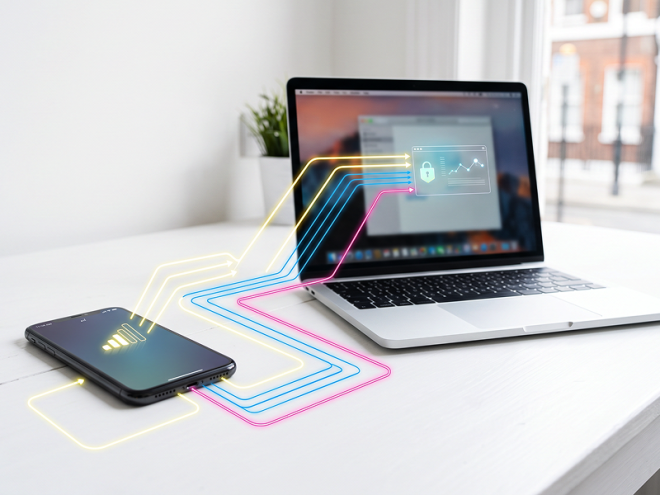
A virtual UK number gives you a professional business line without new hardware, a second SIM or an engineer visit.
23:27 12 October 2026
Virtual phone numbers have become a common fixture for UK small businesses, but how they work is often misunderstood. If you've ever wondered how a business number can ring on the phone you already own — without a second SIM or a new handset — here's the plain-English explanation.
The number isn't tied to a device
A traditional phone number is bound to a physical line or a SIM card. A virtual phone number UK works differently: the number lives in the provider's system, not in your handset. When someone dials it, the provider decides which device to route the call to — usually your mobile, or a laptop.
That decoupling is the key. It's what lets one business number ring wherever you are, on hardware you already have.
Where the SIM myth comes from
Many people assume a second number means a second SIM, because that's how dual-SIM phones work. But a virtual number doesn't touch your SIM at all. Your personal number stays on your existing SIM; the business number is handled entirely in software, through an app.
So you carry one phone, with one SIM, but effectively two numbers — personal and business — kept cleanly apart.
VoIP versus the mobile network
Here's a distinction worth understanding. Most virtual numbers route calls over the internet (VoIP), which means call quality depends on your connection. Some providers, including Rinkel, connect calls on mobile through the mobile network instead, so quality doesn't hinge on your WiFi or data signal.
In practice, this is what a landline number for mobile delivers: the professional feel of a landline, the convenience of your mobile, and a reliable connection wherever you're working.
What you get beyond the number
Because it's software-based, a virtual number comes with features a traditional line never had: call forwarding, business hours, voicemail to email, and call menus that route callers to the right person.
The bottom line
A virtual UK number gives you a professional business line without new hardware, a second SIM or an engineer visit. You choose a number, set it up in an app, and start taking calls — often within minutes. For a small business that runs on mobile, it's a simpler, cheaper answer than a traditional landline, and once you understand the mechanics, the appeal is obvious: less kit, more flexibility, and one phone that does both jobs.