
Everything About Plumbing Leaks: Causes, Detection, Leak Repair Methods, Maintenance, and Prevention Tips
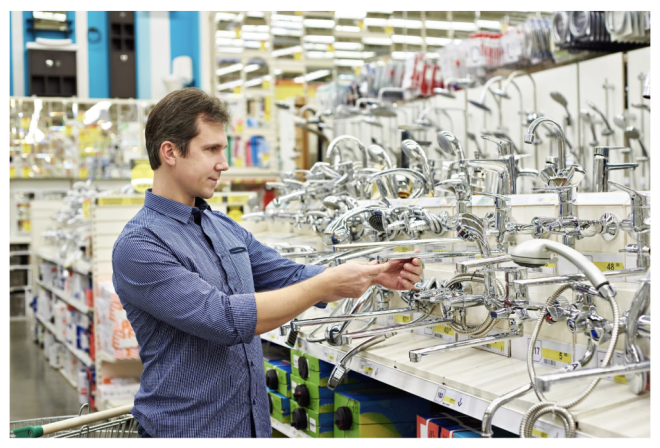
Plumbing leaks can range from simple fixture problems to serious hidden failures that cause extensive damage to walls, floors, ceilings, cabinets
22:40 22 September 2026
Plumbing leaks are among the most common problems that can affect a property, and they can range from minor dripping fixtures to serious failures involving hidden pipes. Water is essential for everyday activities, but when it escapes from the plumbing system in an uncontrolled way, it can cause significant inconvenience and damage. A small leak around a faucet may seem harmless, while a hidden pipe leak behind a wall can continue unnoticed for weeks or months. Moisture can gradually damage drywall, flooring, cabinets, insulation, and structural materials. Understanding the causes, warning signs, detection methods, and appropriate solutions for plumbing leaks can help property owners respond quickly and reduce the risk of expensive damage. Preventive maintenance is equally important because many plumbing problems can be identified and corrected before they develop into emergencies.
Understanding Plumbing Leaks
A plumbing leak occurs when water escapes from a pipe, fitting, valve, fixture, appliance connection, or another component of a water supply system. The amount of water involved can vary considerably, and the most damaging leaks are not always the most visible. A slow leak inside a wall may cause extensive moisture damage before anyone notices it, while a dripping faucet may waste water gradually over a long period. Leaks can result from aging materials, corrosion, loose connections, damaged seals, excessive pressure, temperature changes, or improper installation. Understanding how different components can fail makes it easier to identify potential problems and choose an appropriate solution. Prompt attention is important because even a small leak can become more serious when it is allowed to continue.
Common Causes of Plumbing Leaks
Plumbing leaks can develop for many reasons, and identifying the cause is an important part of effective maintenance. Aging pipes may become weakened by corrosion, mineral deposits, or repeated stress. Washers, O-rings, gaskets, and other sealing components can deteriorate over time and lose their ability to prevent water from escaping. Loose fittings can also develop leaks because of vibration, temperature changes, or improper installation. Excessive water pressure may place additional stress on pipes and connections, increasing the likelihood of failure at weak points. In other cases, physical damage, shifting structures, or poorly completed plumbing work may contribute to leaks. Simply replacing the visible damaged part may not be enough if the underlying cause is not addressed.
Early Warning Signs
Recognizing the early warning signs of a plumbing leak can prevent a small problem from becoming a major repair project. Unexplained increases in water consumption are one possible indication that water is escaping somewhere in the system. Damp spots, peeling paint, stained ceilings, warped flooring, swollen cabinets, and musty odors can also indicate hidden moisture. Homeowners may sometimes hear dripping or running water when all faucets and appliances are turned off. A toilet that runs continuously or a faucet that continues dripping after being closed can also signal a problem. Paying attention to these symptoms allows property owners to investigate potential leaks before they cause extensive structural or cosmetic damage.
Hidden Leaks Behind Walls
Hidden leaks can be particularly difficult to identify because the damaged pipe may be located behind drywall, ceilings, cabinets, or other surfaces. Water does not always appear directly below the source because it can travel along framing materials before becoming visible. A stain on a ceiling, for example, may originate from a pipe located several feet away. Persistent dampness, discoloration, peeling paint, and musty smells can provide important clues. Professional leak detection methods may be necessary when the source cannot be identified through visual inspection. Finding the exact location before opening walls or ceilings can reduce unnecessary damage and make the repair process more efficient.
Faucet and Sink Leaks
Faucets and sinks are common sources of visible plumbing leaks. A dripping faucet may be caused by a worn cartridge, washer, O-ring, or internal valve component. Water can also leak around the base of a faucet or beneath a sink where supply connections and drain components are located. Cabinet interiors should be inspected periodically for moisture, stains, swelling, or unpleasant odors. A small leak beneath a sink can damage cabinetry and flooring if it remains unnoticed. Replacing worn seals or damaged components may solve simple problems, but fixtures that repeatedly develop leaks may need to be replaced. Routine inspection makes it easier to identify these issues before they cause more significant damage.
Toilet Leaks and Running Toilets
Toilets can develop several different types of leaks, including internal leaks that waste water and external leaks that can damage flooring. A faulty flapper or fill valve may cause a toilet to continue running after it has been flushed. Although the water may not be visible, the constant flow can significantly increase consumption over time. Water around the base of a toilet may indicate a damaged seal or another connection problem. A loose or unstable toilet should also be inspected because movement can place additional stress on the connection. Addressing toilet leaks promptly can reduce water waste and help prevent moisture from damaging surrounding floors and building materials.
Appliance-Related Plumbing Leaks
Water-using appliances are another important source of plumbing leaks. Washing machines, dishwashers, refrigerators with water connections, water heaters, and filtration systems all contain hoses, valves, seals, and fittings that can eventually deteriorate. Flexible supply hoses are especially important because they can weaken, crack, or develop leaks near their connections. Appliances are often positioned against walls or inside cabinets, which means a slow leak may remain hidden for an extended period. Periodically checking accessible hoses and connections for corrosion, moisture, cracking, or wear can help identify potential failures. Replacing aging hoses and damaged fittings before they fail completely can reduce the risk of sudden water damage.
The Impact of Excessive Water Pressure
Excessive force inside a plumbing system can contribute to leaks by placing additional stress on pipes, fittings, valves, fixtures, and seals. When the supply remains too strong, weak connections may begin leaking, and appliance components can experience unnecessary wear. Repeated leaks at different fixtures may therefore indicate a broader problem rather than several unrelated failures. A pressure gauge can be used to evaluate the system and determine whether the supply is operating within a suitable range. If readings are unusually high, a pressure-reducing valve may require inspection, adjustment, or replacement. Controlling excessive pressure can help protect plumbing components and reduce the likelihood of recurring leaks.
The Importance of Leak Detection
Finding a leak quickly can make a significant difference in the amount of damage and repair work required. Visible leaks are usually easier to identify, but hidden leaks may require specialized methods. Professionals can use moisture meters, pressure testing, thermal imaging, acoustic equipment, or other diagnostic techniques depending on the situation. These tools can help identify areas where water is escaping without requiring unnecessary removal of walls or flooring. Accurate detection also makes it easier to determine whether the problem is localized or part of a larger plumbing issue. Early detection can reduce water waste, protect building materials, and prevent a minor plumbing failure from developing into a major restoration project.
Choosing the Right Leak Repair Method
The appropriate leak repair method depends on the type, location, material, and severity of the problem. A worn faucet cartridge may only require a simple replacement, while a damaged section of pipe may need to be removed and replaced. Corroded fittings may need new connections, and deteriorated appliance hoses can often be replaced relatively quickly. Hidden leaks may require diagnostic work before the damaged component can be accessed. The goal should be to correct the source of the leak rather than simply covering the visible symptom. Using suitable materials and proper installation techniques can improve the durability of the repair and reduce the possibility of the problem returning.
Professional Leak Repair
Professional leak repair is particularly valuable when the source of the problem is hidden, difficult to access, or connected to a major plumbing component. A qualified plumber can inspect the system, identify the source, determine the extent of damage, and select an appropriate repair method. Professionals can also check surrounding components for additional deterioration that may not be immediately visible. This is especially important when leaks occur behind walls, beneath floors, around water heaters, or in complicated plumbing networks. Attempting a complex repair without suitable tools or experience can increase the risk of additional water damage. Professional assistance can provide a more dependable solution by addressing the underlying cause rather than treating only the visible symptom.
Temporary Steps During a Plumbing Emergency
When a significant leak suddenly develops, limiting the amount of water entering the affected area should be a priority. If it is safe to do so, the appropriate shutoff valve can be closed to stop or reduce the water supply. Electrical equipment should be kept away from standing water, and professional assistance should be requested when the situation is beyond basic maintenance. Temporary solutions such as tape or sealants may sometimes reduce a minor leak for a short period, but they should not be considered permanent repairs for damaged pipes or fittings. Once the immediate flow has been controlled, the plumbing should be inspected to determine the actual cause and the appropriate long-term solution.
Why Small Leaks Should Not Be Ignored
Small leaks can create larger problems when they are allowed to continue. Continuous moisture can damage wood, drywall, insulation, flooring, cabinetry, and other building materials. It can also contribute to unpleasant odors and create conditions that support mold growth. Even if no visible structural damage occurs, a persistent leak can waste water and increase utility costs. In some cases, a small leak may be the first indication that a pipe, fitting, or valve is deteriorating. Taking action early can prevent a minor problem from becoming a much more expensive repair. Addressing plumbing issues promptly is therefore an important part of protecting both the property and the plumbing system.
Preventing Future Plumbing Leaks
Preventive maintenance can significantly reduce the likelihood of recurring leaks. Property owners should regularly inspect visible pipes, faucets, valves, appliance connections, and other accessible plumbing components for signs of corrosion, moisture, cracking, or deterioration. Flexible hoses should be replaced when they show obvious wear, while fixtures should be operated carefully to avoid unnecessary stress. Plumbing modifications should be completed using appropriate materials and installation methods. Maintaining suitable water pressure is also important because excessive force can contribute to premature component failure. Regular inspection allows weak points to be identified before they fail, making preventive maintenance a practical way to reduce emergency plumbing problems.
Protecting Pipes From Corrosion
Corrosion can gradually weaken certain types of plumbing pipes and fittings, eventually creating holes or cracks through which water can escape. The process may occur slowly, meaning that early signs are sometimes difficult to notice. Discoloration, visible rust, mineral deposits, or recurring moisture around older pipe sections may indicate deterioration. When corrosion is extensive, simply repairing one small hole may not provide a reliable long-term solution because other sections could be close to failure. A professional inspection can help determine whether isolated repairs are appropriate or whether replacement of deteriorated sections would provide better reliability. Addressing corrosion early can reduce the risk of sudden pipe failures and extensive water damage.
Water Damage After a Leak
Stopping the plumbing leak is only the first part of dealing with significant water damage. If water has entered walls, floors, ceilings, cabinets, insulation, or other materials, those areas may also require attention. Moisture trapped inside building materials can cause odors, deterioration, and mold growth if it is not dried properly. In serious cases, professional water damage restoration may be necessary to determine how far the moisture has spread. A surface that appears dry does not always mean that the area underneath is free of moisture. Addressing both the plumbing source and the resulting water damage provides a more complete solution and can help prevent secondary problems.
When Replacement Is Better Than Repair
Not every damaged plumbing component should continue to be repaired repeatedly. Severely corroded pipes, aging fixtures, repeatedly failing valves, and deteriorated connections may be better candidates for replacement. Although repairing a component may initially cost less, repeated failures can become more expensive over time. Replacement can provide better long-term reliability when the existing component has reached the end of its useful service life. The decision should consider the age, condition, accessibility, material, repair history, and expected lifespan of the component. A professional plumber can help determine whether repairing or replacing the affected part is the more practical option.
Maintaining a Reliable Plumbing System
A reliable plumbing system requires regular observation and preventive maintenance rather than waiting for emergencies. Property owners should monitor faucets, toilets, appliances, visible pipes, valves, and supply connections for changes in performance. Unusual water consumption, damp areas, stains, odors, dripping sounds, and recurring moisture should be investigated rather than ignored. Keeping records of previous repairs can also help identify recurring problems and guide future maintenance decisions. Older plumbing systems may benefit from more frequent inspections because aging materials can become increasingly vulnerable to corrosion and failure. A proactive approach can reduce the likelihood of major emergencies and help extend the useful life of plumbing components.
Benefits of Timely Leak Repair
Timely leak repair can protect a property from unnecessary water waste and damage. Addressing a leaking faucet, pipe, valve, or appliance connection early can prevent moisture from spreading into surrounding materials. Prompt repairs can also reduce the risk of mold growth, structural deterioration, damaged flooring, and higher utility costs. When a leak is addressed quickly, the repair may require only a small replacement part instead of extensive restoration work. Timely attention also provides an opportunity to identify other weak points in the plumbing system. By responding to problems as soon as they are noticed, property owners can improve reliability and reduce the likelihood of repeated emergencies.
When Professional Help Is Necessary
Professional assistance is recommended when the source of a leak cannot be identified, when water is coming from concealed areas, or when the problem involves major pipes or plumbing equipment. Professionals have the tools and experience needed to perform detailed inspections and determine the appropriate repair method. They can also identify related problems that may not be obvious to an untrained observer. Situations involving significant water damage, electrical hazards, contaminated water, or inaccessible plumbing should be handled carefully. Attempting complex repairs without suitable knowledge can increase the risk of further damage. Professional evaluation can provide a safer and more reliable path toward restoring the plumbing system.
Long-Term Plumbing Maintenance
Long-term plumbing maintenance should focus on preventing leaks, identifying deterioration, and responding quickly to warning signs. Routine inspections can reveal damaged seals, corroded fittings, aging hoses, loose connections, and other weak points before they fail. Appliances that use water should be checked periodically, while faucets and toilets should be monitored for continuous dripping or running. Maintaining appropriate operating conditions can also help protect pipes and fixtures from unnecessary stress. Property owners should keep track of previous repairs and consider replacing components that repeatedly fail. Consistent maintenance is generally less disruptive and more affordable than dealing with major plumbing emergencies.
Final Thoughts
Plumbing leaks can range from simple fixture problems to serious hidden failures that cause extensive damage to walls, floors, ceilings, cabinets, and other materials. Common causes include worn seals, aging pipes, corrosion, loose connections, excessive pressure, damaged appliance hoses, and installation problems. Recognizing warning signs such as unexplained water usage, damp surfaces, stains, odors, dripping fixtures, and running toilets can help property owners respond before a small problem becomes a major emergency. Professional diagnosis is especially useful when the source of the leak is hidden or when basic maintenance does not solve the issue.Effective leak repair should focus on correcting the underlying cause rather than simply stopping visible water temporarily. Regular inspections, proper maintenance, responsible plumbing use, and timely professional assistance can significantly reduce the risk of future problems. When leaks are detected early, property owners can often limit water damage, reduce repair costs, and protect important building materials. A well-maintained plumbing system provides better efficiency, reliability, and peace of mind while helping prevent repeated failures. By taking a proactive approach to plumbing maintenance and addressing warning signs promptly, homeowners and property managers can protect their investment and maintain a dependable water supply system for the long term.