
A Better Approach to Indoor Comfort: Proven Solutions for Efficient Operation, Fewer Problems, and Long-Term Reliability
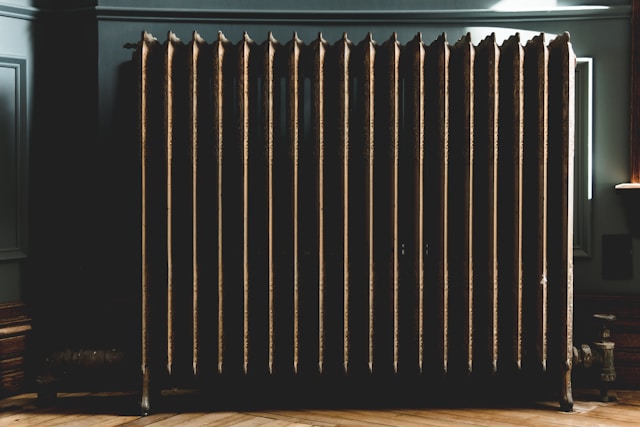
An HVAC system contains multiple components that must work together to provide consistent indoor temperatures.
22:45 22 September 2026
Maintaining a comfortable indoor environment requires more than simply adjusting the thermostat when temperatures change. A dependable climate control system relies on clean components, unrestricted airflow, properly functioning controls, suitable equipment capacity, and regular professional attention. Over time, normal wear, dust accumulation, electrical problems, blocked filters, drainage issues, and mechanical deterioration can affect system performance. Small changes in operation should not be overlooked because they may indicate developing problems that can become more expensive when left unresolved. Understanding when professional hvac repair is appropriate can help property owners respond to issues early, maintain dependable comfort, and reduce unnecessary strain on equipment. A proactive approach can also support efficiency and help extend the useful service life of an HVAC system.
Understanding the Importance of System Performance
An HVAC system contains multiple components that must work together to provide consistent indoor temperatures. Depending on the equipment, these components may include filters, blowers, motors, coils, thermostats, electrical controls, ductwork, drainage systems, compressors, heat exchangers, and safety devices. A problem affecting one component can sometimes influence the performance of several others. For example, restricted airflow may cause equipment to operate longer, increasing stress on motors and other parts. Similarly, a malfunctioning thermostat can cause unnecessary cycling or inconsistent temperatures. Recognizing how these components interact makes it easier to understand why professional hvac repair should focus on identifying the underlying cause rather than simply addressing the most visible symptom.
Recognizing Early Warning Signs
Many HVAC problems provide noticeable warning signs before the equipment stops operating completely. Unusual sounds, strange odors, weak airflow, inconsistent temperatures, frequent cycling, water around equipment, and unexplained increases in energy consumption can all indicate that the system requires attention. A sudden change from normal operating behavior is especially important because it may point toward a developing mechanical, electrical, airflow, or control problem. Property owners should monitor these changes instead of assuming they will disappear on their own. Prompt hvac repair can sometimes resolve relatively minor problems before they affect additional components or result in an unexpected system breakdown during periods of heavy use.
Keeping Air Filters Clean
Air filters are among the most basic components of an HVAC system, but their condition has a significant effect on overall performance. Filters collect dust, dirt, hair, and other airborne particles before air passes through the equipment. As a filter becomes increasingly dirty, airflow can become restricted and the blower may need to work harder to circulate conditioned air. Restricted airflow can contribute to longer operating cycles, inconsistent temperatures, increased energy consumption, and unnecessary equipment stress. Property owners should inspect filters regularly and replace or clean them according to manufacturer recommendations. If airflow remains weak after replacing a dirty filter, professional hvac repair may be necessary to determine whether another restriction or mechanical problem is affecting the system.
Improving Airflow Throughout the Building
Proper airflow is essential for maintaining balanced indoor temperatures and allowing equipment to operate efficiently. Supply registers and return-air openings should remain clear of furniture, curtains, storage items, and other objects that may restrict circulation. Ductwork can also affect airflow when it contains leaks, disconnected sections, damaged insulation, or physical restrictions. If certain rooms remain consistently warmer or cooler than others, the problem may involve air distribution rather than thermostat settings alone. A professional evaluation can help identify whether the issue is related to ductwork, blower performance, equipment capacity, or another factor. Addressing airflow problems through appropriate hvac repair can improve comfort while reducing the amount of time equipment needs to operate.
Addressing Uneven Indoor Temperatures
Uneven temperatures are one of the most common comfort complaints associated with HVAC performance. One room may reach the desired temperature while another remains noticeably warmer or colder. Several factors can contribute to this situation, including insulation levels, window exposure, blocked vents, duct leakage, restricted airflow, thermostat placement, and equipment sizing. Simply changing the thermostat setting may not correct the underlying cause and can sometimes cause the equipment to run longer than necessary. A professional technician can evaluate airflow and equipment performance to identify the source of the imbalance. Depending on the findings, hvac repair may involve correcting a damaged component, resolving an airflow restriction, repairing ductwork, or addressing a control issue.
Paying Attention to Unusual Sounds
Every HVAC system produces some operating noise, but noticeable changes in sound should be investigated. Rattling can sometimes indicate a loose component, while squealing may be associated with a motor, belt, or bearing issue. Grinding, banging, clicking, or excessive vibration can also indicate mechanical or electrical concerns. The meaning of a particular sound depends on the equipment type and when the noise occurs during operation. Continuing to operate equipment that produces increasingly loud or unusual sounds may allow a small mechanical problem to develop into more extensive damage. Professional hvac repair can identify the source of abnormal sounds and determine whether cleaning, adjustment, lubrication, component replacement, or another solution is appropriate.
Investigating Frequent Cycling
Frequent cycling occurs when an HVAC system starts and stops more often than expected. This can affect comfort, increase energy use, and place additional stress on components because motors, compressors, and controls repeatedly start and stop. Potential causes include restricted airflow, dirty filters, thermostat problems, equipment sizing issues, overheating, or malfunctioning controls. Frequent cycling should not be considered normal simply because the system continues to produce heating or cooling. A professional inspection can determine why the equipment is cycling and whether the issue originates from the controls, airflow, equipment condition, or another factor. Timely hvac repair can help restore more appropriate operating cycles and reduce unnecessary wear.
Evaluating Thermostat Performance
The thermostat controls when many HVAC systems operate and plays an important role in maintaining the desired indoor temperature. If the thermostat is inaccurate, poorly positioned, incorrectly configured, or damaged, the system may operate at inappropriate times or fail to maintain consistent comfort. Direct sunlight, drafts, appliances, and other heat sources near the thermostat can also influence temperature readings. Property owners can begin by checking basic settings and programmed schedules. If inconsistent operation continues, a professional can evaluate the thermostat and its communication with the equipment. In some situations, hvac repair may involve replacing the thermostat, correcting wiring, recalibrating controls, or repairing another component responsible for improper system response.
Maintaining Coils and Heat Transfer Components
Coils are important to the heat transfer process in many HVAC systems. Dirt and debris can accumulate on coil surfaces and reduce their ability to transfer heat effectively. A dirty indoor coil may contribute to airflow problems, while a contaminated outdoor coil can make it harder for cooling equipment to release heat. Regular professional inspections can determine whether coils require cleaning or whether another problem is affecting their performance. Cleaning should be performed using appropriate methods to avoid damaging delicate fins or other components. When poor performance is related to dirty or damaged coils, professional hvac repair and maintenance can help restore appropriate heat transfer and reduce unnecessary strain on the equipment.
Checking Condensate Drainage
Cooling systems naturally remove moisture from indoor air, producing condensate that must be carried away through a drainage system. Over time, dirt, algae, and debris can accumulate inside condensate lines and create restrictions. A blocked drain can lead to water around the equipment, unpleasant odors, system shutdowns, or damage to nearby surfaces. Regular inspection and cleaning can help reduce the likelihood of drainage problems. If water begins appearing where it should not, the issue should be investigated rather than ignored. Depending on the cause, hvac repair may involve clearing a blocked drain, correcting a damaged connection, replacing a component, or addressing another condition responsible for poor condensate management.
Improving Energy Efficiency
HVAC efficiency depends on several factors, including equipment condition, airflow, insulation, thermostat settings, ductwork, and regular maintenance. Equipment that has dirty filters, restricted airflow, damaged components, or malfunctioning controls may need to operate longer to maintain the desired temperature. Longer operating periods can increase energy consumption and contribute to additional wear. Improving efficiency therefore requires attention to both the equipment and the building itself. Property owners can support better performance by replacing filters, keeping vents clear, maintaining appropriate thermostat settings, and addressing insulation or air leakage problems. When mechanical or electrical concerns contribute to inefficient operation, timely hvac repair can restore proper functionality and help reduce unnecessary energy use.
Preparing for Seasonal Demands
HVAC systems often experience their greatest workload during periods of extreme temperatures. Preparing equipment before these demanding periods can help identify developing problems before they become unexpected failures. Professional seasonal inspections may include filters, coils, motors, electrical components, controls, drainage systems, ductwork, and other equipment-specific parts. A technician may also identify worn components that could become problematic under extended operation. Seasonal preparation does not guarantee that a system will never experience a breakdown, but it can reduce preventable issues. If an inspection identifies a developing concern, hvac repair can often be scheduled before the equipment is subjected to prolonged heavy use, providing greater convenience and reducing the possibility of an unexpected interruption.
Understanding Electrical Problems
Electrical components are essential to modern HVAC equipment and may include control boards, relays, capacitors, switches, sensors, wiring, and motors. Problems with these components can cause intermittent operation, failure to start, unexpected shutdowns, unusual sounds, or inconsistent performance. Electrical faults can sometimes affect multiple components if they remain unresolved. Because HVAC electrical systems can involve hazardous voltages, property owners should not attempt complex electrical troubleshooting without proper training. A qualified technician can use appropriate testing equipment to identify electrical problems safely. Professional hvac repair may involve replacing a failed component, correcting an electrical connection, or resolving a control problem that is preventing the system from operating reliably.
Knowing When Service Is Urgent
Some HVAC problems should receive immediate professional attention rather than being placed on a routine maintenance schedule. Strong burning odors, smoke, serious electrical smells, major water leaks, complete loss of heating or cooling, repeated safety shutdowns, or unusual mechanical behavior can indicate significant problems. Property owners should avoid taking unnecessary risks when equipment appears unsafe or severely damaged. A qualified technician can assess the system and determine whether it should remain in operation. Prompt hvac repair can sometimes prevent additional damage and reduce the likelihood of a more extensive failure. When an HVAC system behaves in a way that suggests a safety concern, professional evaluation should take priority over repeated attempts to restart or continue operating the equipment.
Deciding Between Repair and Replacement
When an HVAC system develops a problem, repair is not necessarily the only option. The best decision depends on equipment age, condition, efficiency, repair history, operating costs, and the severity of the current problem. A relatively new system with an isolated component failure may be a good candidate for repair, while an older system that requires frequent service may eventually become more expensive to maintain. Property owners should consider the long-term condition of the equipment rather than making a decision based solely on one breakdown. Professional assessment can help determine whether hvac repair is likely to provide reasonable value or whether replacement would be a more practical long-term investment.
Choosing Qualified Professionals
HVAC systems can involve electricity, refrigerants, combustion components, moving parts, high temperatures, and pressurized equipment. Technical service should therefore be handled by qualified professionals who understand the equipment and appropriate safety procedures. Professional technicians have diagnostic tools that can help identify problems that are not immediately visible. They can also follow manufacturer recommendations and equipment-specific service procedures. When requesting hvac repair, property owners should provide as much information as possible about recent changes in performance, unusual sounds, odors, water leaks, temperature problems, and cycling behavior. Detailed information can help technicians diagnose the problem more efficiently and recommend an appropriate solution.
Creating a Preventive Maintenance Routine
Preventive maintenance is one of the most effective ways to support long-term HVAC reliability. Regular inspections can identify dirty components, worn parts, restricted airflow, electrical concerns, drainage problems, and other issues before they develop into major failures. Property owners can maintain records of service visits, filter replacements, repairs, and component changes to better understand the history of their equipment. These records can also help technicians identify recurring problems and make informed recommendations. Combining preventive maintenance with timely hvac repair creates a proactive approach to system care. Instead of waiting for a complete breakdown, property owners can address developing concerns while they remain manageable and less disruptive.
Supporting Long-Term Equipment Life
HVAC equipment represents a significant investment, so protecting its condition should be part of any long-term property maintenance strategy. Regular attention can reduce unnecessary stress caused by dirty filters, restricted airflow, poor thermostat settings, neglected components, and other preventable conditions. Property owners should also monitor changes in energy consumption and indoor comfort because sudden differences can provide useful clues about system performance. Addressing problems early can reduce the possibility of secondary component damage and help maintain dependable operation. When hvac repair is combined with preventive maintenance, appropriate thermostat management, good airflow, and timely professional inspections, equipment may be better positioned to provide reliable service throughout its useful life.
Final Thoughts
Maintaining dependable indoor comfort requires attention to both HVAC equipment and the conditions in which that equipment operates. Dirty filters, restricted airflow, thermostat problems, unusual noises, drainage issues, electrical faults, uneven temperatures, and frequent cycling can all affect system performance. Paying attention to these warning signs allows property owners to investigate potential problems before they become major failures. Professional hvac repair can restore performance when equipment components become damaged or malfunctioning, while preventive maintenance can reduce the likelihood of avoidable breakdowns. By combining regular inspections, proper filter care, clear airflow pathways, sensible thermostat settings, timely service, and appropriate building improvements, property owners can support efficient operation, consistent comfort, fewer unexpected problems, and better long-term system reliability.