
Why Has Your Upholstery Foam Started to Sag?
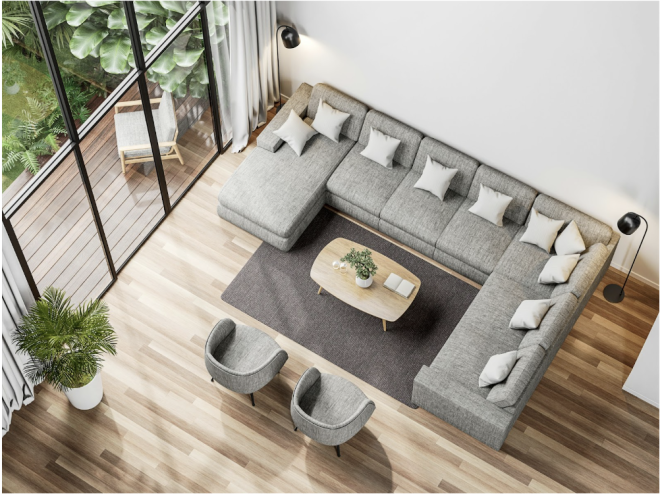
The most common reason for sagging upholstery foam is regular use.
19:30 08 September 2026
Sagging cushions makes a piece of furniture feel older than it is. A sofa may still look attractive from the outside, but if the upholstery foam has lost its shape, comfort and support disappear. But sagging foam does not mean the entire piece of furniture needs to be replaced. With a bit of DIY skill you can easily replace the problem cushion and get your sofa or chair back to its good old self.
How Long Should Upholstery Foam Last?
The lifespan of upholstery foam depends on several factors, including the quality of the material, how often the furniture is used, and the amount of weight placed on it. Different foams are designed for different uses, so this has a huge impact on a cushion’s longevity. High quality upholstery foam can last for many years while maintaining its shape and support. Lower quality foam, however, may begin to soften, flatten, or compress much more quickly. The location of the foam also plays a part. Seat cushions experience much greater pressure than back cushions and armrests, so they usually show signs of wear sooner.
Normal Wear and Tear
The most common reason for sagging upholstery foam is regular use. Every time someone sits down, the foam compresses slightly before returning to its original shape. Over thousands of cycles, the foam gradually loses some of its elasticity, making it less able to spring back into position. This process happens naturally, but the speed at which it occurs depends largely on the density and quality of the foam and the amount of use.
Common signs of wear include:
- Visible dips or uneven surfaces
- Reduced support
- Wrinkled upholstery fabric
- Loss of shape around the edges
- Cushions that feel softer than usual
Higher density upholstery foam generally retains its shape for longer because it contains more material and offers greater resilience.
Low Density Foam
In many cases, sagging is caused by foam that was never designed for heavy use in the first place. Lower density upholstery foam is often less expensive, but it usually breaks down more quickly when subjected to regular pressure. While it may feel comfortable at first, the internal structure can deteriorate over time, resulting in permanent indentations. This is one reason why professional upholsterers often recommend selecting foam according to both density and firmness rather than price alone.
Compression and Uneven Weight Distribution
Furniture is rarely used evenly. Most people naturally sit in the same position every day, which means certain areas experience much greater pressure than others. This repeated compression can create noticeable dips in cushions, especially in the centre of sofas or in favourite chairs. Thin cushions are particularly susceptible because they have less material available to absorb and distribute weight. Choosing thicker upholstery foam or a higher density product can help reduce this effect. Rotating removable cushions regularly may also help distribute wear more evenly.
Moisture and Environmental Conditions
Although upholstery foam is designed to withstand everyday use, excessive moisture can affect its performance. Humidity, accidental spills, and poor ventilation can all contribute to the gradual breakdown of the foam's internal structure. Once this happens, the material may lose some of its resilience and become permanently compressed. Exposure to direct sunlight over long periods can also affect certain materials, causing them to become brittle or discoloured. This is especially important in conservatories, caravans, boats, and commercial environments where temperature and humidity levels can change significantly.
Problems with the Furniture Frame
The foam itself is not always responsible for the problem. Broken springs, damaged webbing, and worn support systems can create the impression that the upholstery foam has failed. If the frame beneath the cushion is no longer providing adequate support, even high-quality foam may begin to sag. That’s why it is always worth examining the structure of the furniture before replacing the cushions.
Can Sagging Upholstery Foam Be Fixed?
If the foam has simply shifted out of position, it may be possible to reshape or reposition it. In other situations, adding an additional layer of foam or wadding may help restore some of the original comfort. However, if the internal structure of the foam has broken down completely, replacement is usually the only realistic solution.
Choosing Replacement Upholstery Foam
When selecting replacement upholstery foam, it is important to consider:
- Density
- Firmness
- Cushion thickness
- Intended use
- Expected lifespan
High density upholstery foam often costs more initially, but it generally provides greater comfort, improved durability, and better long-term value.
Final Thoughts
Sagging cushions do not necessarily mean the end of a favourite chair, sofa, or headboard. In many cases, replacing worn upholstery foam can restore comfort, improve appearance, and extend the life of the furniture for years to come. You might even like the upgrade more than the original.


