
The Digital Transformation in Strength Training: A Look at Trends
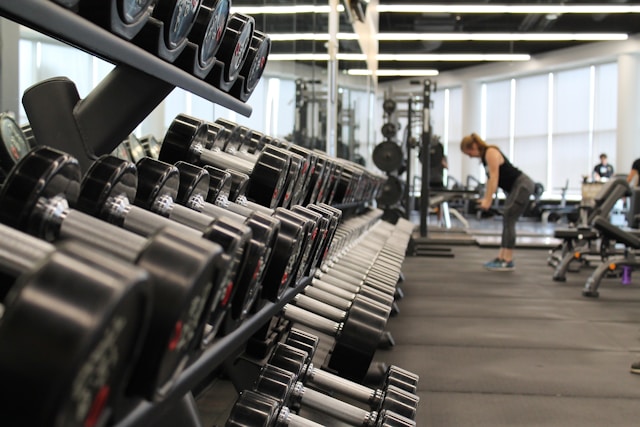
The future of strength training in Germany appears to be moving toward a more connected and flexible model.
00:44 24 July 2026
Across Germany and other parts of Europe, strength training is increasingly becoming intertwined with digital technology. While traditional gyms continue to play a vital role, many people are now incorporating digital tools into their workout routines—whether through fitness apps, smart exercise equipment, or wearables.
This shift does not necessarily mean that technology is replacing conventional training methods. Instead, digital features are increasingly being used to enhance flexibility, workout organization, and progress tracking. As time constraints increasingly shape lifestyles and hybrid work models remain widespread, many fitness enthusiasts are seeking training solutions that integrate more easily into their daily lives.
Several trends are currently driving this digital transition in strength training—particularly in the German market, where efficiency, practicality, and structured processes are highly valued.
Smarter and Personalized Training Experiences
One notable trend is the growing use of personalized training technologies. Digital fitness platforms now offer guided workouts, adjustable resistance settings, and performance tracking tailored to individual training preferences.
For many users, such structure can simplify workout planning—especially when exercising at home. Rather than manually logging sessions or painstakingly searching for separate training programs, users increasingly prefer systems that consolidate all relevant training data in one central location.
Wearables and connected fitness equipment are also gaining popularity among German consumers—particularly those who prioritize tracking workout consistency, heart rate data, and recovery patterns. In this context, connected strength training systems—such asSpeediance home fitness equipment—reflect a broader shift toward digitally supported home fitness; rather than representing a completely standalone category of equipment, they serve as an integral part of this overarching concept. At the same time, many fitness experts continue to emphasize that technology should merely complement fundamental training principles—and certainly not replace correct exercise form, balanced training planning, or necessary recovery.
Compact home fitness continues to gain importance
Another significant development is the rising popularity of compact home workout solutions. Available living space is often limited in many German cities—a factor that heavily influences how people structure their home workouts.
Consequently, multifunctional strength training systems are increasingly coming into focus, as they allow users to perform a wide range of exercises without needing to acquire a large number of individual pieces of equipment. Space-saving designs and straightforward assembly have become crucial practical criteria for those seeking greater flexibility regarding where and when they work out.
This trend also reflects deeper lifestyle changes: some people now prefer shorter workout sessions that can be seamlessly integrated into their workday, commute, or family obligations. Home workouts can offer a convenient alternative on busy days—even for individuals who maintain a gym membership.
Rather than completely replacing commercial gyms, home fitness increasingly appears to function as part of a hybrid or flexible training routine.
Hybrid Fitness Habits Are Gaining Ground
The concept of "hybrid fitness" has gained significant traction in recent years. Many people no longer rely solely on a single workout environment; instead, they combine various formats—depending on their schedules and personal goals.
For instance, someone might visit a gym several times a week while also completing shorter workouts at home, supported by digital platforms or connected fitness equipment. Others combine strength training with mobility exercises, cardio sessions, compound movements, or guided online classes.
This flexibility is particularly appealing to younger professionals and urban consumers who prefer adaptable routines over rigid training schedules. Digital platforms facilitate this approach by allowing users to access their workouts from various locations and across different devices.
In Germany—where efficiency and structured time management are often central to daily life—digitally connected fitness ecosystems are likely to become increasingly relevant as part of broader wellness habits.
Data Tracking and Awareness of Recovery
Another trend shaping modern strength training is the growing focus on recovery and long-term consistency. Rather than focusing exclusively on workout intensity, many users today are paying greater attention to sleep quality, recovery periods, and sustainable training habits.
Digital tracking tools can support users in this regard by organizing workout histories, monitoring activity levels, and helping to identify long-term training patterns. While these systems are no substitute for professional medical advice or coaching, they can help users develop a better understanding of their own routines.
This broader focus on balance and sustainability reflects a shift away from extreme fitness approaches toward more manageable, long-term habits. In many cases, consumers now appear to value consistency and convenience just as much as pure performance goals.
Connected fitness is becoming more social
Although home fitness is often associated with solo workouts, digital platforms are making training sessions increasingly interactive. Online communities, virtual challenges, and app-based leaderboards have introduced new social elements to strength training.
This trend is particularly evident among younger demographics, who are accustomed to integrating digital interactions into their daily activities. Fitness content, the sharing of workout progress, and online coaching communities have become fixtures of the broader fitness landscape.
Products like the "Speediance Gym Monster 2" fit squarely into this overarching trend: here, exercise equipment, software, and guided workout features are increasingly merging into connected home fitness systems.
At the same time, the long-term success of any workout routine still depends on consistency, realistic goal-setting, and individual preferences—rather than technology alone.
Conclusion
The future of strength training in Germany appears to be moving toward a more connected and flexible model. Digital tools are increasingly helping people organize their workouts, track their progress, and balance their fitness goals with the demands of everyday life.
Meanwhile, the growing popularity of hybrid workout routines suggests that many users are not choosing exclusively between the gym and home workouts. Instead, they are combining both approaches to create fitness regimens that better suit a modern lifestyle.


