
Crafting the Perfect Work From Home Space
Your workspace doesn't have to be perfect overnight
17:02 26 June 2026
Working from home has gone from a new thing to just how many of us do things now. It's great to have that flexibility, but let's be honest, working from your kitchen table or sofa loses its charm pretty fast. Setting up a comfy, dedicated workspace isn't just a nice-to-have; it's super important for staying productive, focused, and generally feeling good. This guide will walk you through how to create a home office space you'll actually look forward to using.
Define Your Workspace Zone
The first step to a successful home office is drawing a clear line between your work life and your home life. Even if you don't have a spare room, you can still carve out a dedicated spot. This physical separation helps your brain switch into "work mode" when you're there, and just as importantly, switch off when you leave.
Think about a corner of your living room or bedroom that doesn't get much use. You can mark off the area with a rug, which acts like a little footprint for your office. A folding screen or a tall bookcase can also work wonders as a room divider, making it feel like a separate room without actually building walls.
The main idea is to create an ideal work-from-home environment that feels different from your relaxation spots. Once you've picked your place, make it a rule for yourself and your family: when you're in this zone, you're at work. This simple rule helps cut down on interruptions and keeps you focused all day.
Lighting and Ambience Matters
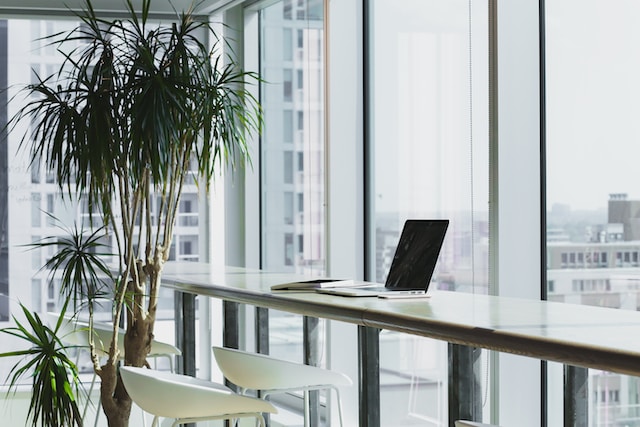
Don't ever underestimate how much good lighting matters. Bad lighting can lead to eye strain, headaches, and feeling tired, all of which are terrible for getting things done. If you can, put your desk where it can catch some natural light. Placing your desk next to a window, instead of directly facing or backing onto it, usually works best to stop glare on your screen.
Besides natural light, you'll need a smart lighting plan. This usually means two kinds of artificial light:
- General Lighting: This is the overall light in the room, like a light fixture on the ceiling.
- Spotlight Lighting: This is focused light for your specific work area, like an adjustable height desk lamp. A good desk lamp lets you point the light exactly where you need it, cutting down on shadows and making it easier to read documents.
Making your space pleasant goes beyond just light. Designing a productive workspace also means making it a nice place to be. Add a small plant or two to bring a bit of nature inside, which has been shown to lower stress. A few personal items, like your favourite mug or a framed photo, can make the space feel like yours without adding clutter.
Choosing the Right Desk
Your desk is the main piece in your home office, so choosing the right one is a big deal. Before you buy, think about how you work. Do you need space for a couple of monitors, a laptop, and a notebook? Measure your chosen area to make sure the desk will fit comfortably, leaving enough room for your chair and for you to move around. A desk that's too small will feel cramped and messy, while one that's too big can swallow up a small space.
Your desk's height is also super important for your comfort. A standard fixed-height desk might not be right for your body, leading to you hunching over or straining your shoulders. That's why many people are now choosing desks that let them change their position throughout the day.
For example, adjustable height desks give you the best of both worlds, letting you easily switch between sitting and standing. Changing positions can help reduce back pain, improve blood flow, and even boost your energy. Being able to stand for an hour after lunch can make a huge difference to that afternoon slump.
Ergonomic Seating Solutions
Once your desk is sorted, your chair is the next crucial piece. Sitting on a hard dining chair for eight hours a day is a sure way to get back and neck pain. An ergonomic office chair is an investment in your health. Look for a chair with several key adjustable features to make sure it supports you properly.
Good lumbar support is a must-have; it should fit into the natural curve of your lower back to stop you from slouching. You should also be able to adjust the seat height so your feet can rest flat on the floor with your knees bent at about a 90-degree angle.
Adjustable armrests are also important, as they support your arms and take the strain off your shoulders and neck. If a new office chair isn't in the budget, you can improve your current chair with a separate lumbar pillow and a footrest to get better posture.
Organise for Efficiency
A messy desk often means a messy mind. Taking time to organise your workspace will really pay off in better focus and efficiency. Start by decluttering and getting rid of anything you don't use every day. Think about how to best use the space you have.
- If your desk space is tight, use wall-mounted shelves or desktop risers to get papers and supplies off your main work surface.
- Use dividers inside your drawers to keep pens, paper clips, and other small items neat and easy to find.
- Tangled wires don't just look bad; they can also be a tripping hazard. Use cable ties, clips, or a cable management box to keep all your cords tidy and out of the way.
Being organised also means creating simple habits. Take five minutes at the end of each day to tidy your desk, put papers away, and wipe down the surface. This simple routine helps you mentally end the workday and makes sure you start the next morning with a fresh, inviting space.
Your workspace doesn't have to be perfect overnight. Start with one area, like organising your cables or finding a better lamp, and go from there. These small, intentional changes can really add up to a big improvement in how you feel and how well you work from home.


